
Char Chatta Bazar
Kabul is not simply a capital city. It is a layered landscape of memory—an urban palimpsest shaped by more than three millennia of trade, culture, and conflict. For centuries the city stood along the ancient Silk Road, linking the markets of India and China with the Persian world and beyond. Caravans carrying silk, spices, metalwork, and precious stones once passed through Kabul, transforming it into one of Central Asia’s most dynamic commercial centers.
But Kabul’s physical landscape tells a harsher story. Decades of war and rapid urban expansion have left deep scars on the historic fabric of the city. Among the most symbolic losses lies the forgotten marketplace of Char-Chatta Bazaar in the Bagh-Ali-Mardan district—once a masterpiece of urban design and commerce.
To understand how Kabul might revive its historic center, it is worth examining the sophisticated urban logic embedded in this long-damaged bazaar


Retaliation in Rubble: When War Targets Urban Identity
It is easy to assume that historic buildings disappear simply through neglect. In reality, many disappear through deliberate acts of violence.
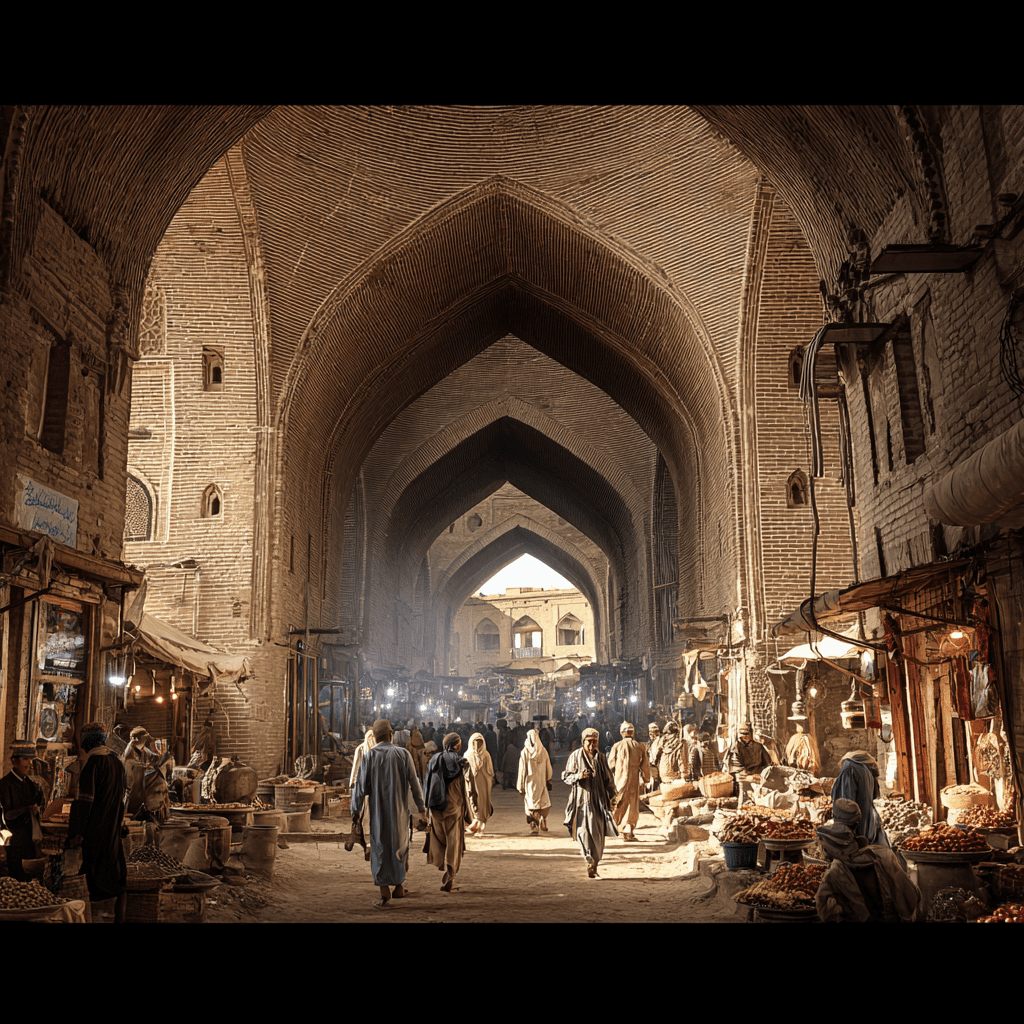
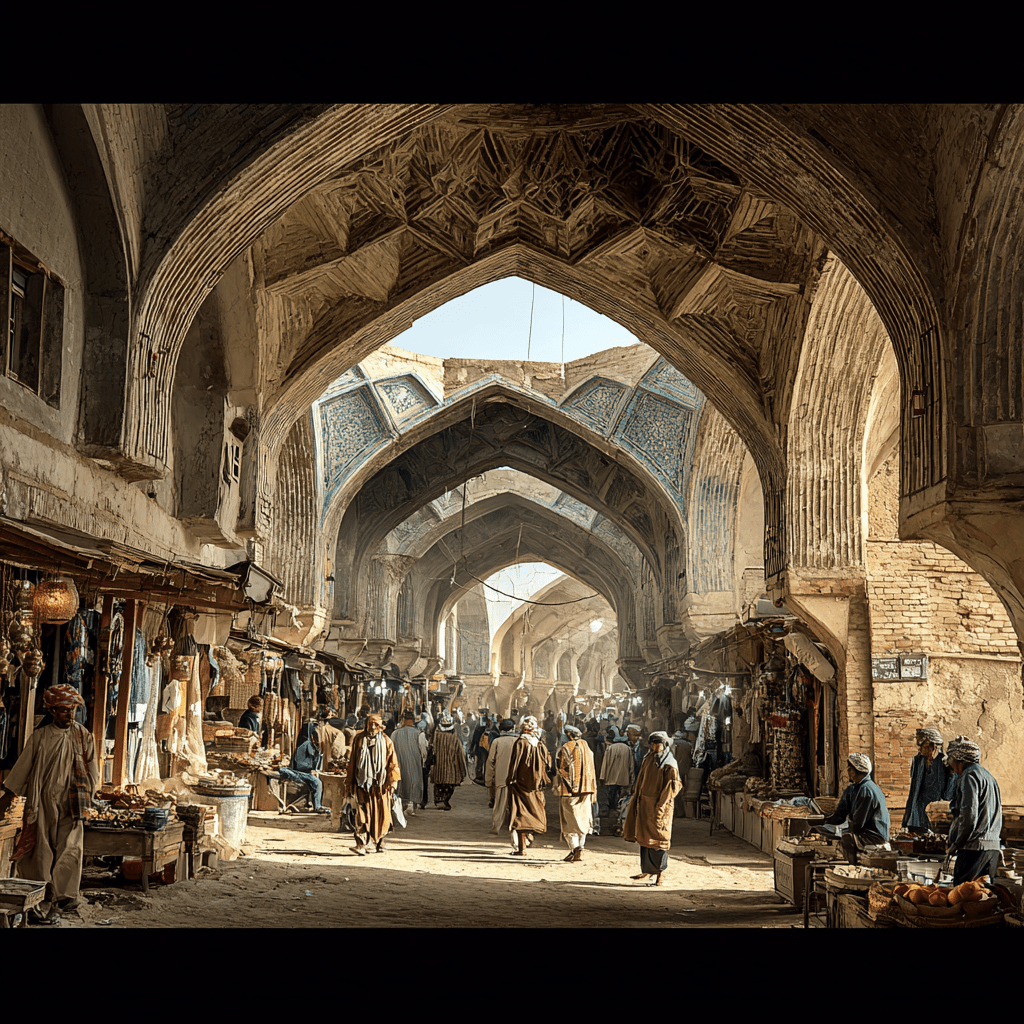
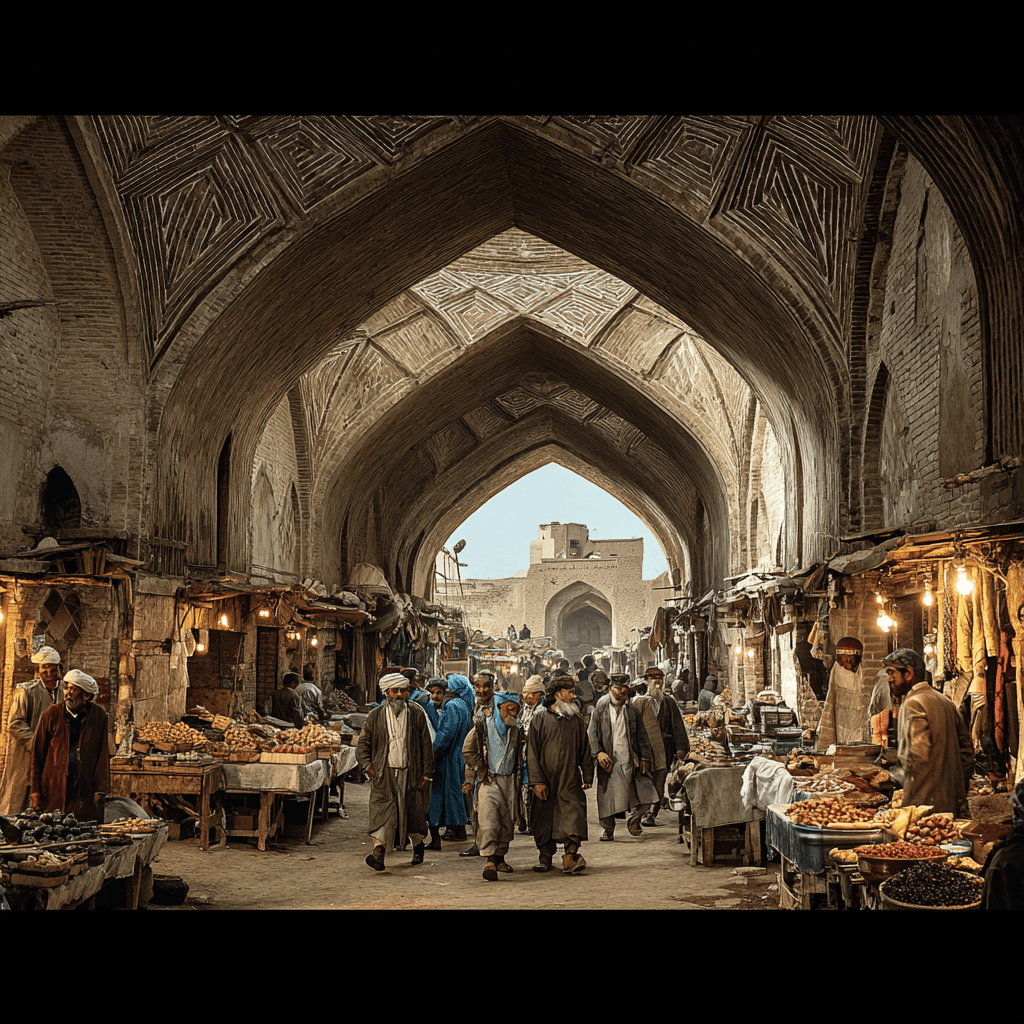
Char-Chatta Bazaar was one of the most prominent commercial establishments of its time in Central Asia. Built in the 17th century by Ali Mardan Khan, the bazaar stretched roughly 200 meters through the Old City. Covered arcades, courtyards, and specialized commercial zones made it a vibrant marketplace where merchants, craftsmen, and travelers converged. Its destruction, however, was not accidental.
During the First Anglo-Afghan War, British forces burned the bazaar in retaliation for their defeat in Kabul in 1842. Such acts were not merely military tactics—they were symbolic attacks on the economic and cultural identity of a city.
Despite this devastation, Char-Chatta Bazaar survived in partial form for many decades afterward and continued serving commercial needs well into the twentieth century. Its final decline came later, driven not only by war but also by uncontrolled urbanization.
Today the bazaar survives only in fragments. Informal shops, warehouses, and improvised structures have replaced its historic arcades, and its once-organized circulation has dissolved into congestion and spatial disorder.
The Forgotten Intelligence of 17th-Century Architecture
Long before modern architecture embraced ideas of sustainability and passive climate design, the builders of Char-Chatta Bazaar had already mastered them.
The bazaar was organized around a linear spatial structure composed of repeating segments known as Chatta. Between these segments were open courtyards called Chawk. This arrangement was not merely aesthetic—it was environmental engineering.
The courtyards performed several critical functions:
They allowed natural daylight to reach the shops below.
They created ventilation corridors, channeling cool air through the bazaar.
They provided moments of spatial relief within the long commercial corridor.
In Kabul’s hot summers, these courtyards produced a natural cooling effect, creating a comfortable environment for merchants and pedestrians without mechanical systems.
In contrast, much of modern Kabul struggles with poor ventilation, heat accumulation, and unplanned density. The environmental intelligence embedded in the Char-Chatta design demonstrates how traditional architecture often solved climatic challenges through spatial design rather than technology.
Commerce by Design: The Four Specialized Sections
The organization of Char-Chatta Bazaar also reveals an advanced understanding of commercial planning.
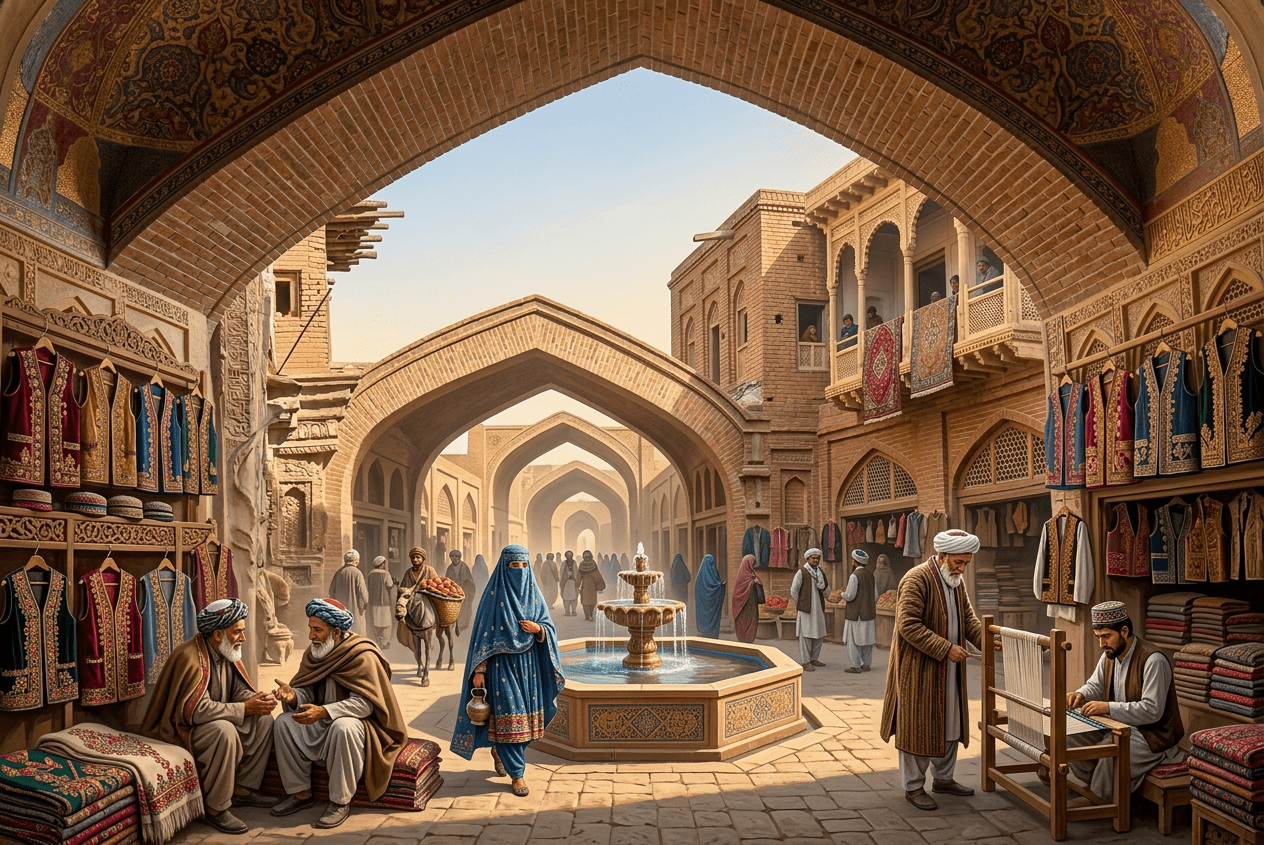
Rather than mixing trades randomly, the market was divided into four specialized sections, each dedicated to a specific craft or type of goods. This spatial zoning created clarity, efficiency, and identity within the market.
Each section had its own atmosphere:
The First Chatta housed tailors and textile sellers, where fabrics and garments were crafted and traded.
The Second Chatta specialized in traditional Afghan waistcoats, garments that attracted travelers and visitors seeking distinctive local clothing.
The Third Chatta contained grocery shops and vendors selling everyday household goods.
The Fourth Chatta was dominated by copper craftsmen who produced pots, kettles, pitchers, and dishes.
This organization allowed artisans to cluster together, strengthening trade networks and improving the experience for customers who could easily navigate the market.
Such clarity of spatial organization is largely absent from today’s informal markets, where uncontrolled growth often leads to congestion and confusion.


The Value of Local Materials and Traditional Techniques
Another lesson from Char-Chatta Bazaar lies in its use of local materials and construction methods.
Traditional Afghan architecture evolved over centuries through experimentation with locally available resources. Materials such as stone, mud brick, and timber were not only accessible but also well suited to Afghanistan’s extreme climate.
These materials offered several advantages:
They were economical and locally sourced.
They responded well to temperature fluctuations and seasonal changes.
They reflected the cultural identity and craftsmanship of the region.
For example, cobblestone paving has long been used in historic Afghan cities. Beyond its durability, stone paving reflects the mountainous landscape of the country and requires skilled labor, supporting local employment and craftsmanship.
In many modern projects, however, imported materials have replaced traditional construction systems, often ignoring the environmental and cultural logic that once guided Afghan architecture.
From Ruin to Urban Catalyst: A Rehabilitation Vision
The rehabilitation of Char-Chatta Bazaar is not simply about preserving ruins. It is about restoring the spatial and cultural logic that once structured Kabul’s historic center.
A proposed rehabilitation concept aims to reconstruct the bazaar while respecting its historic form and urban role.
The plan includes several key principles.
Reconstruction of the original spatial structure
The bazaar would be rebuilt as a two-story marketplace, echoing its historic configuration. Covered arcades would once again provide shade, while the courtyards would restore natural light and airflow to the commercial spaces.
Reintroduction of courtyards and arcades
Reestablishing the relationship between the Chatta and the Chawk would revive the environmental and spatial rhythm that defined the original bazaar.
Supporting facilities and improved circulation
Additional elements—such as small shops and restaurants—would help activate the area while maintaining the historic character of the district. A loop circulation system would allow visitors to move naturally through the bazaar and surrounding spaces rather than entering and exiting through a single corridor.
The goal is to transform the bazaar from a fragmented ruin into a coherent public space that reconnects commerce, culture, and urban life.
Why Reviving the Bazaar Matters
Historic markets are not simply commercial spaces. They are social and cultural institutions that shape the identity of cities.
In Kabul’s historic core, the destruction of traditional markets has weakened the spatial structure that once supported daily life. Reviving places like Char-Chatta Bazaar could help restore that structure.
Rehabilitation would:
Preserve an important piece of Afghanistan’s architectural heritage.
Reinforce the identity of Kabul’s historic districts.
Support local craftsmanship and traditional commerce.
Improve the urban environment of the Old City.
Most importantly, it would reconnect contemporary Kabul with the urban intelligence embedded in its own history.
A City That Learns From Its Past
The story of Char-Chatta Bazaar is not merely a narrative of destruction. It is also a reminder that historic architecture often contains solutions to modern urban challenges.
Centuries before contemporary planning theories, Kabul’s builders created markets that managed climate, circulation, and commerce with remarkable sophistication.
Reviving these principles could help guide the future of the city.
Rehabilitation is not about nostalgia. It is about recognizing that the knowledge embedded in traditional urban forms still has relevance today. If Kabul hopes to rebuild a vibrant and resilient historic center, the lessons hidden within the ruins of Char-Chatta Bazaar may prove invaluable.
Below are some of the possilbe illustration of Char chata Bazar, generated by AI.