Bronze age: Afghanistan’s Bronze Age architecture saw the evolution of monumental forms. Mundigak, by 2600 BC, showcased a distinctive style with semicircular buttresses forming impressive façades, capped by a frieze of stepped merlons. These decorative elements adorned structures like palaces and temples, presenting an imposing aesthetic. The ramparts of Mundigak featured closely spaced square buttresses, emphasizing ornamentation over structural necessity. Similar architectural features appeared in the Late Bronze Age palace at Dashli 3 and other Central Asian structures. The style draws parallels to Mesopotamian prototypes, such as the monumental architecture of Uruk, and influenced later structures, including city walls in Bishapur and caravanserais in Central Asia.
Iron Age: The Iron Age further advanced the monumental architectural traditions established during the Bronze Age. Massive structures built on large brick platforms became a hallmark, exemplified by sites such as Nad-i Ali in Seistan, the citadels at Maiwand and Kandahar, and fortified towns like Altin 1 and Altin Dilyar Tepe. These towns featured citadels surrounded by extensive defensive walls and exhibited early forms of architectural elements such as columned halls and monumental portals. Notably, the “iwan,” a monumental entranceway or portal, emerged as a key architectural feature. Originating in Central Asia, it evolved into a defining element of Parthian, Sasanian, and Islamic architecture.
The Iron Age was pivotal in establishing foundational architectural forms such as circular layouts, monumental platforms, columned halls, and iwans, which became integral to the architectural heritage of Afghanistan and the broader Central Asian and Iranian regions.
HELLENISM & BUDDHISM: New architectural traditions arrived in Afghanistan following the conquests of Alexander the Great and his Seleucid successors in the fourth to third century BCE. The Greek city at Ai Khanum, possibly ancient Alexandria Oxiana, reflects a syncretic style blending Hellenistic principles with local elements. The grid system of streets, monumental buildings, and other Hellenistic features such as temples, a gymnasium, and a theatre were adapted to incorporate local influences. For instance, the city used mud-brick as the primary material, which was more common in the region, and the division of the city into a citadel and lower town echoed local Central Asian traditions. Despite the Hellenistic influences, Ai Khanum’s overall style was shaped by the area’s historical and cultural context, with elements like Achaemenid palace architecture and Iranian circular plans. Over time, these influences, including Greek architectural features such as Corinthian colonnades and sculptural forms, continued to shape Afghan architecture for centuries.
During the Kushan Empire, new architectural forms emerged that fused Greek, Iranian, and Buddhist traditions. The influence of Hellenistic architecture remained prevalent, especially in the use of Corinthian pilasters, column bases, and other decorative elements. At Surkh Kotal, a significant Kushan religious site, syncretic architectural styles were evident, incorporating features from Iranian, Greek, and Buddhist traditions. The stupa, a key Buddhist architectural element, became prominent during this period. It served as a religious monument, often accompanied by monastic complexes and surrounded by votive stupas offered by worshippers. The stupa evolved through a series of architectural forms influenced by Hellenistic and Gandharan styles, with features such as a high platform, decorative elements, and niches framing seated Buddha images.
Gandhara: Gandharan architecture is most recognized for its religious monuments, particularly stupas and monasteries, that adorned the landscape of ancient Afghanistan. The style was a fusion of Greek and Indian influences, with Classical elements such as Corinthian pilasters, entablatures, and relief panels used extensively. These sculptures were primarily used to decorate the exteriors and interiors of stupas, chapels, and monasteries, telling episodic Buddhist stories in a style that was inspired by Roman art. The architecture of Gandhara displayed a strong Greek influence, particularly in the use of classical forms, which were adapted to suit Buddhist religious needs. The introduction of Buddha images, often depicted in seated or standing poses, became a significant feature of Gandharan architecture, marking a departure from previous depictions of the Buddha in abstract forms. The use of the Corinthian order, mythical figures from Greek mythology, and the portrayal of Indian deities in Classical guise further underscored the architectural connections between Gandhara and the Western world, particularly the Roman Empire.
The Gandharan architectural style also saw the use of stucco, particularly in later periods, with busts of Buddhas and Bodhisattvas being produced in a style that resembled Roman portrait sculpture. This technique reflects a broader Roman influence in Gandhara’s architecture, which developed through contact with Roman artists and possibly Roman diplomatic missions. The overall architectural style of Gandhara, including its sculpture, is a testament to the region’s cultural hybridization and its role as a crossroad of ancient civilizations, where Greek, Roman, Iranian, and Indian traditions merged to create a unique architectural and artistic identity.
ISLAM: The introduction of Islam brought a new universal building type, the mosque, which became a standard architectural feature across the Islamic world, including Afghanistan. Islamic architecture is unique due to its homogeneity, with the design of mosques remaining largely consistent across different regions, such as in Balkh, Cordoba, and Istanbul, from the eighth century to the twenty-first. However, it also encompasses a wide range of cultural influences, making it one of the richest and most diverse architectural traditions.
The basic structure of a mosque includes elements like a prayer hall, a courtyard, a minaret for the call to prayer, and an ablution area. It is oriented towards Mecca, with a mihrab indicating the direction of prayer. The prohibition of depicting human or animal forms in Islamic architecture led to the development of abstract decorative forms, with calligraphy and geometric patterns featuring prominently in the decoration of buildings. The madrasa, also emerged as a new building type, particularly in Central Asia, and followed a similar layout to that of mosques, though on a smaller scale.
The architectural style of Islamic monumental tombs became significant, particularly in the eastern Islamic world. While Islam forbids lavish burial markers, monumental mausolea became common, especially for religious figures like the Shi’a Imams. The rabat, initially a fortified building on the frontier for holy warriors, evolved into the secular caravanserai—a structure used for travelers and trade.
In terms of decoration, Islamic architecture in Afghanistan incorporated pre-Islamic traditions, such as the use of carved stucco and brick patterns. Over time, glazed tiles became a prominent feature in architectural decoration, culminating in the Timurid period with the development of mosaic tilework. The four-iwan mosque became a dominant form, along with monumental tombs and minarets, emphasizing verticality and grandeur. The Timurid style brought innovations, such as the incorporation of architectural forms dedicated to women, with monumental buildings built in their honor.
Ghurid Architecture: The Ghurid period (12th–13th centuries) was significant for the development of a distinct Afghan architectural style, marked by monumental brick structures and the introduction of Islamic architectural forms in the region. Ghurid architecture focused on both functional and religious structures, with the mosque and mausoleum being central features of the urban landscape. The Ghurids were known for their construction of fortresses, palaces, and large-scale mosques, most notably in Ghor and Herat. The Jami Masjid in Herat and the minarets at Jam are prime examples of Ghurid architectural achievements. These buildings were characterized by the use of brick masonry, with stucco decoration and geometric patterns as their primary ornamentation. The iwan style, a vaulted space open on one side, became a standard feature of the architecture during this period.
The Ghurids also contributed to the development of the multi-domed mosque, a significant departure from the simple designs of earlier mosques. Islamic calligraphy and arabesques were increasingly used to adorn mosque interiors and exterior walls, reflecting the growing importance of visual art in Islamic architecture. The mihrab, indicating the direction of Mecca, became a focal point in Ghurid mosques, often intricately designed with tile work and stucco. Islamic monumental tombs, particularly those of important leaders and religious figures, began to take on more elaborate designs with the introduction of domes and decorative brickwork. The Ghurid dynasty’s emphasis on religious and civic architecture helped to establish a foundation for later architectural styles in Afghanistan.
Timurid Architecture: The Timurid period (14th–15th centuries) marks a golden age in Afghan architecture, characterized by grand and monumental structures that blended Persian, Central Asian, and Islamic influences. The Timurid architecture in Afghanistan, especially in Herat, became a symbol of the empire’s power and sophistication. Notable architectural innovations of this period include the widespread use of glazed tilework, intricate arabesques, and calligraphic decoration, which adorned mosques, palaces, and mausoleums. The Bibi-Khanym Mosque in Samarkand and the Shah-i-Zinda complex in Herat are prime examples of Timurid architectural grandeur, featuring domes, minarets, and courtyards with monumental proportions.
One of the hallmark features of Timurid architecture was the creation of large-scale, multi-domed mosques, madrasas, and mausolea that featured intricate vaulting and piers. The Timurid period also saw the introduction of the iwan on a grand scale, with four-iwan plans becoming more common. Muqarnas, or decorative vaulting, was also developed further during this time, adding a sense of otherworldly beauty to many Timurid buildings. The Tomb of Timur (Gur-e-Amir) in Samarkand, with its stunning blue tilework and massive dome, represents the epitome of Timurid architectural achievement.
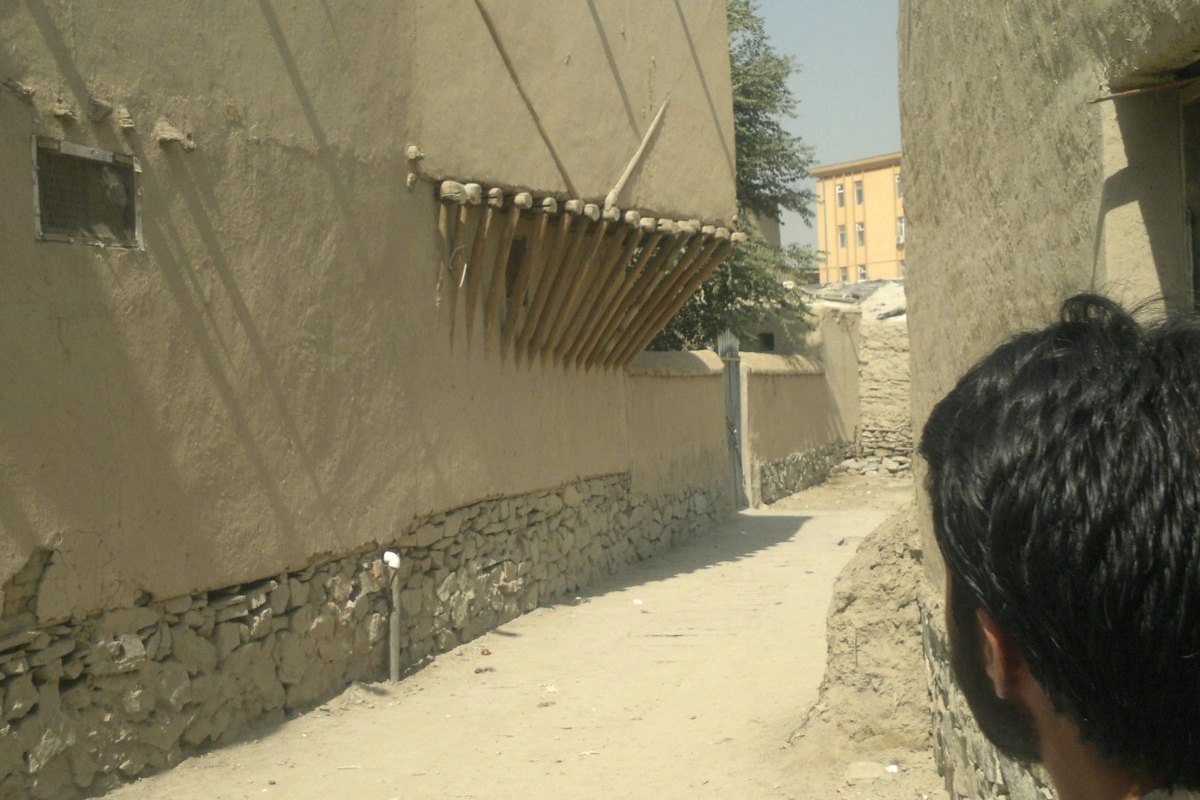
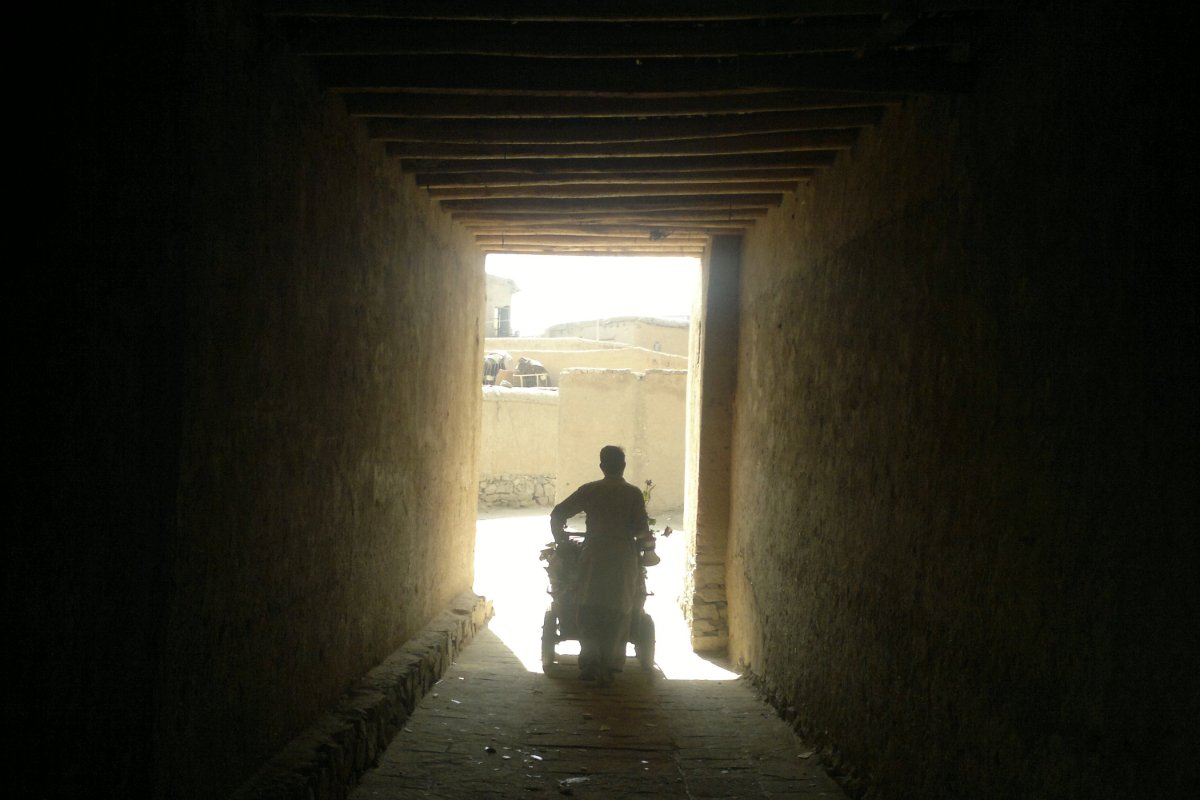
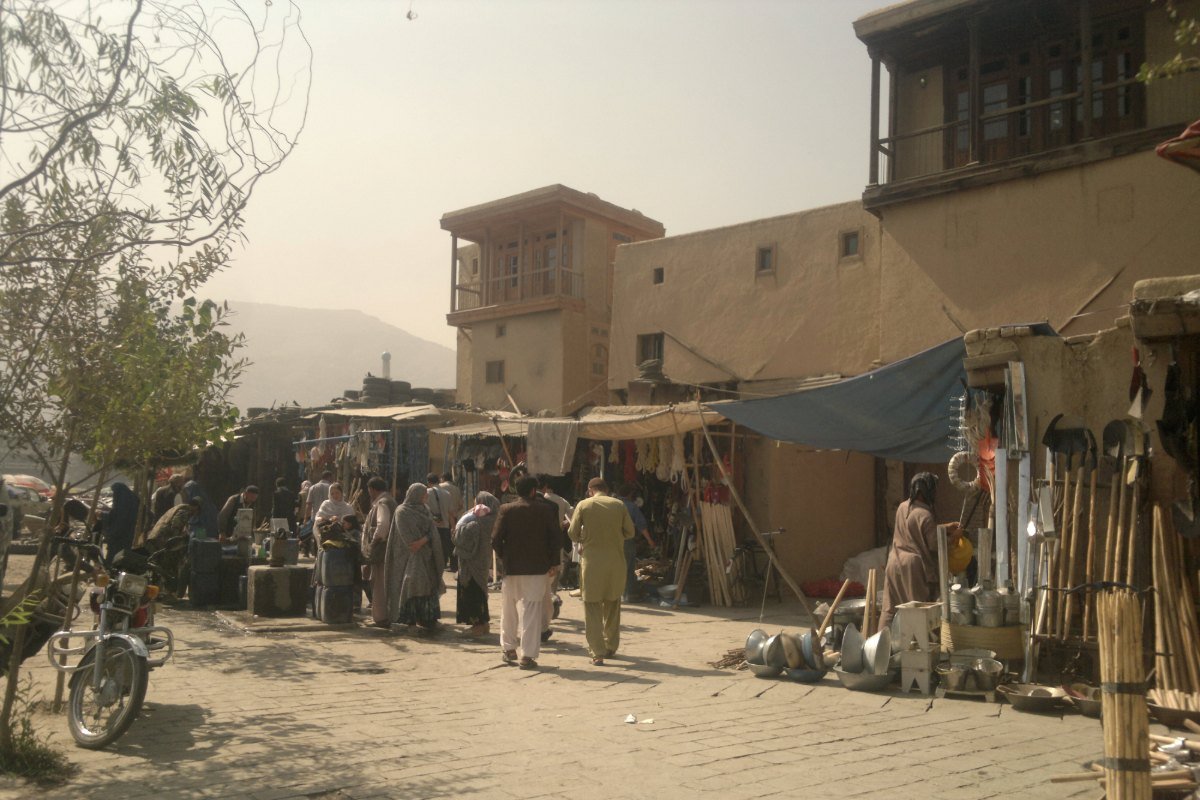
18th Century: The 18th century in Afghanistan saw a blend of traditional Islamic architecture with regional influences. During this period, Afghan architecture was defined by the rule of the Durrani Empire (1747–1826), with Kabul, Kandahar, and Herat as major urban centers. Fortresses and palaces were among the most significant architectural projects, as rulers sought to consolidate power and establish their dominance. The Bala Hissar Fort in Kabul, a key example of military architecture, was expanded and fortified during this era. Additionally, the use of mudbrick construction remained prevalent, particularly for domestic and religious buildings, with flat roofs and courtyards being common features.
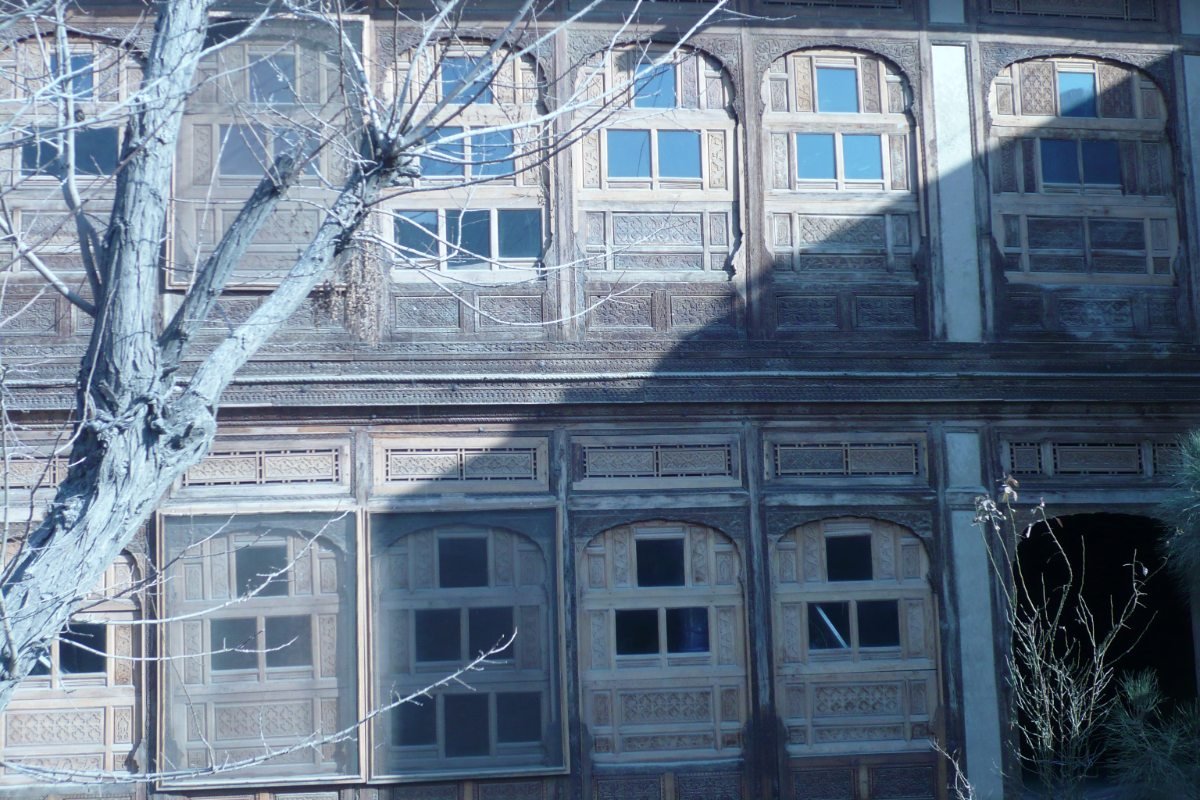
In terms of religious architecture, the mosque and mausoleum continued to be central to Afghan architectural practice. Stucco decoration and tilework were common features of mosque interiors, and minarets were constructed to signal the presence of a mosque. The architecture of Islamic tombs became more elaborate, influenced by previous Timurid traditions but adapted to local building materials and climate. Afghan interiors were often decorated with intricate woodwork, reflecting a synthesis of Afghan and Persian styles, while domes remained a prominent feature of larger religious structures.
19th Century: In the 19th century, Afghanistan experienced significant architectural changes due to the influence of both internal and external forces. The Qajar and British interventions, coupled with growing contact with European powers, influenced Afghan architecture during this period. The Peshawar and British Raj in neighboring India introduced new building techniques and architectural styles that affected urban architecture, particularly in Kabul and Herat. European neoclassical styles began to be incorporated into government buildings, though local Afghan styles remained dominant in domestic and religious architecture.
The royal palaces of the Barakzai dynasty, which ruled Afghanistan after the fall of the Durrani Empire, became symbols of political power. The Shahi Bagh in Kabul, a royal garden, combined traditional Islamic design with new influences. Mosques, tombs, and madrasas continued to be built, often with ornate tilework and arabesques on the facades. Minarets and domes became more elaborated, but traditional forms like the iwan remained popular, reflecting the Afghan preference for simpler yet grandiose designs.
20th Century: The 20th century in Afghanistan witnessed significant architectural transformations, influenced by a blend of traditional Afghan styles and modernist trends introduced during the reign of various monarchs, particularly King Amanullah Khan (1919–1929), and later the communist regime (1978–1992). These changes were characterized by the adoption of Western architectural styles, modern materials, and the desire to create a more national identity through architecture.
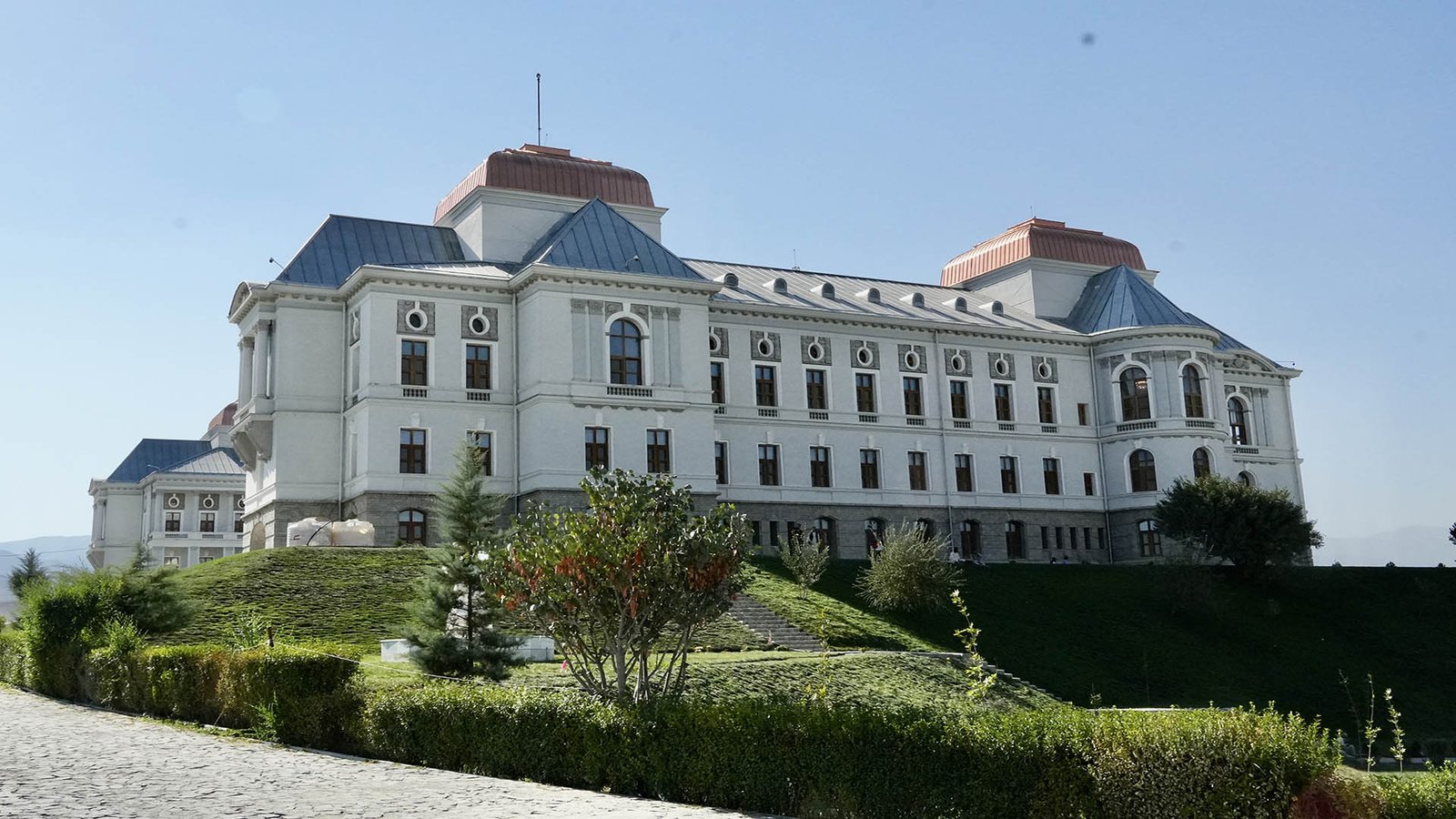
In the early part of the century, under King Amanullah Khan, there was a strong push towards modernization and the establishment of a national architectural language. The construction of new palaces, government buildings, and public infrastructure was influenced by European neoclassical and Art Deco styles, while still maintaining elements of traditional Afghan construction, such as arches, domes, and courtyards. Kabul became the center for this architectural experimentation, with the Amanullah Palace serving as a prime example of blending Western and Afghan influences, featuring large, open spaces and modern facilities.
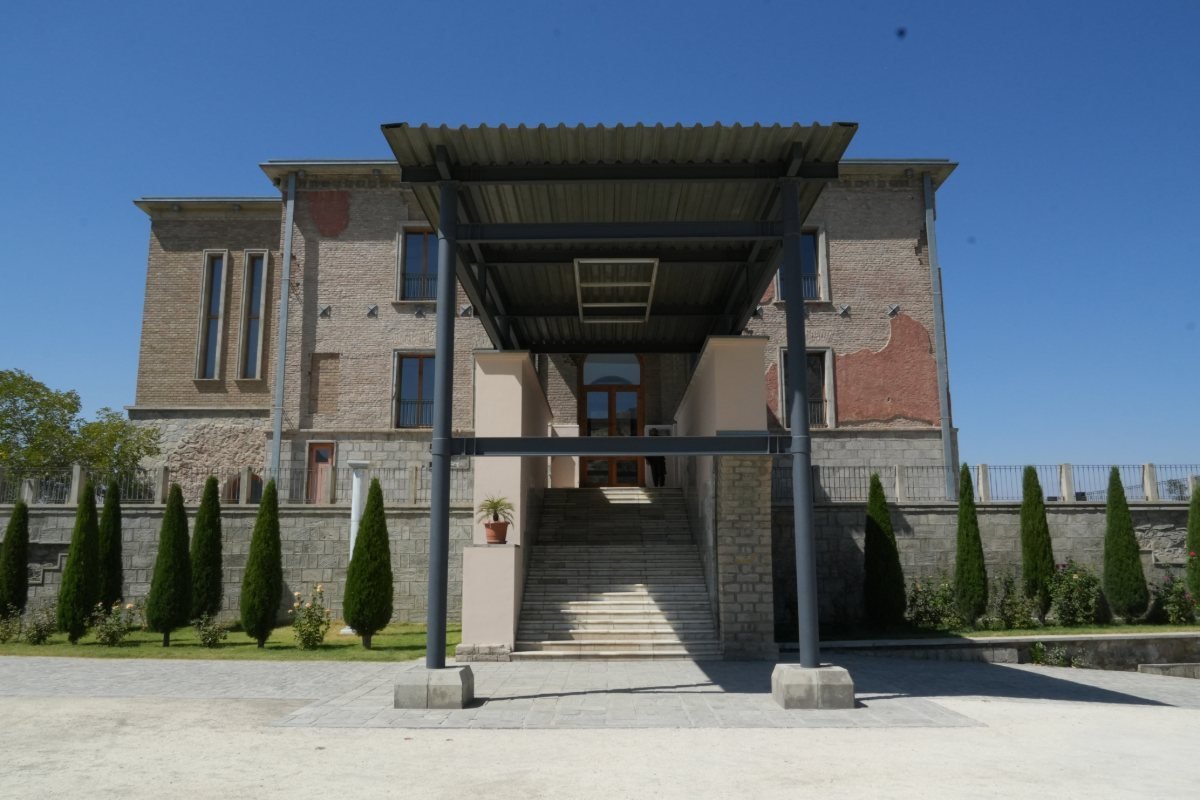
As the century progressed, the influence of Soviet architecture became prominent, especially after the Soviet invasion of Afghanistan in 1979. Modernist buildings with concrete facades, sharp lines, and brutalist structures emerged in urban centers like Kabul and Mazar-e-Sharif. The Afghan National Museum (Kabul) is one example of modernist architecture built during this era. Soviet-inspired architectural design also extended to government offices, embassies, and housing complexes aimed at supporting Afghanistan’s growing urban population.
In the final decades of the 20th century, particularly during the civil war (1992–2001), much of Afghanistan’s architecture faced severe damage. The Taliban regime (1996–2001) prohibited most forms of artistic expression, including public building projects, resulting in a halt in architectural development. Historic mosques, mausoleums, and traditional homes were also targeted during the period, leaving many Afghan cities scarred and without the ability to continue evolving their architectural identity.